Northern Serengeti
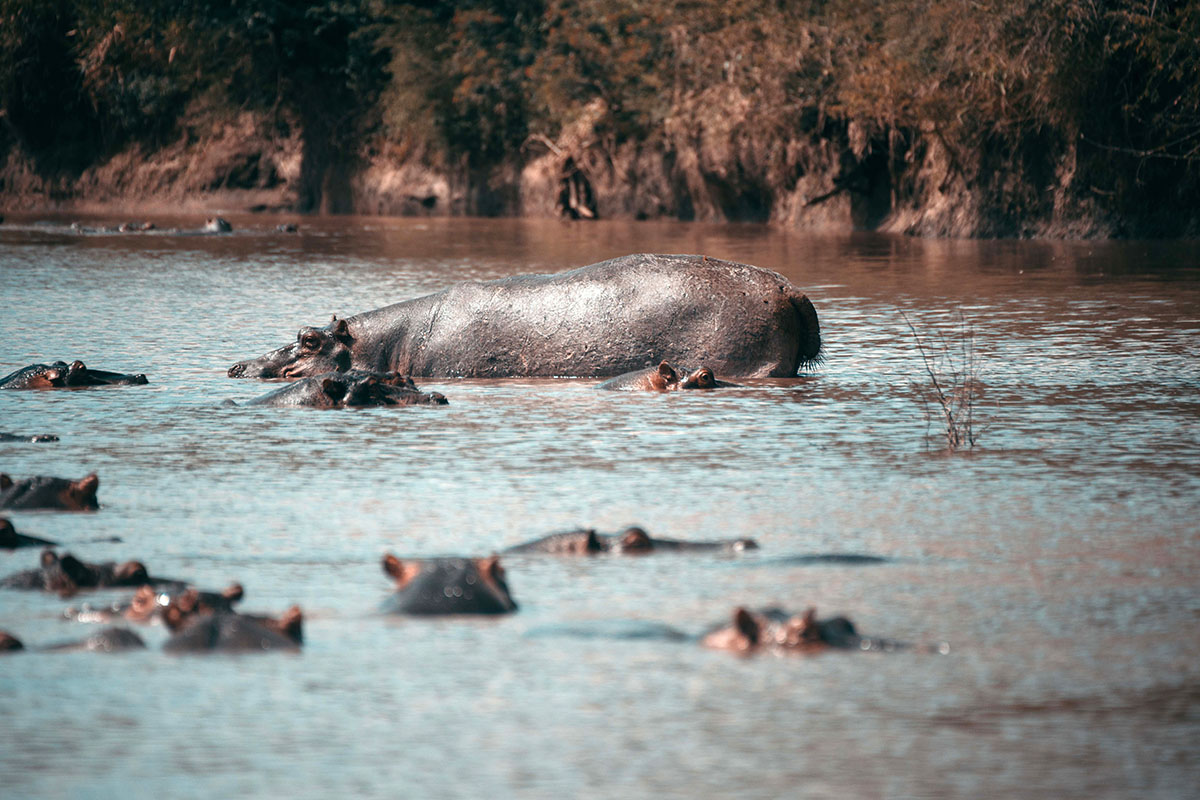
River-crossing country, where the migration meets the crocodiles of the Mara.
Where the Great Migration Meets the Mara River
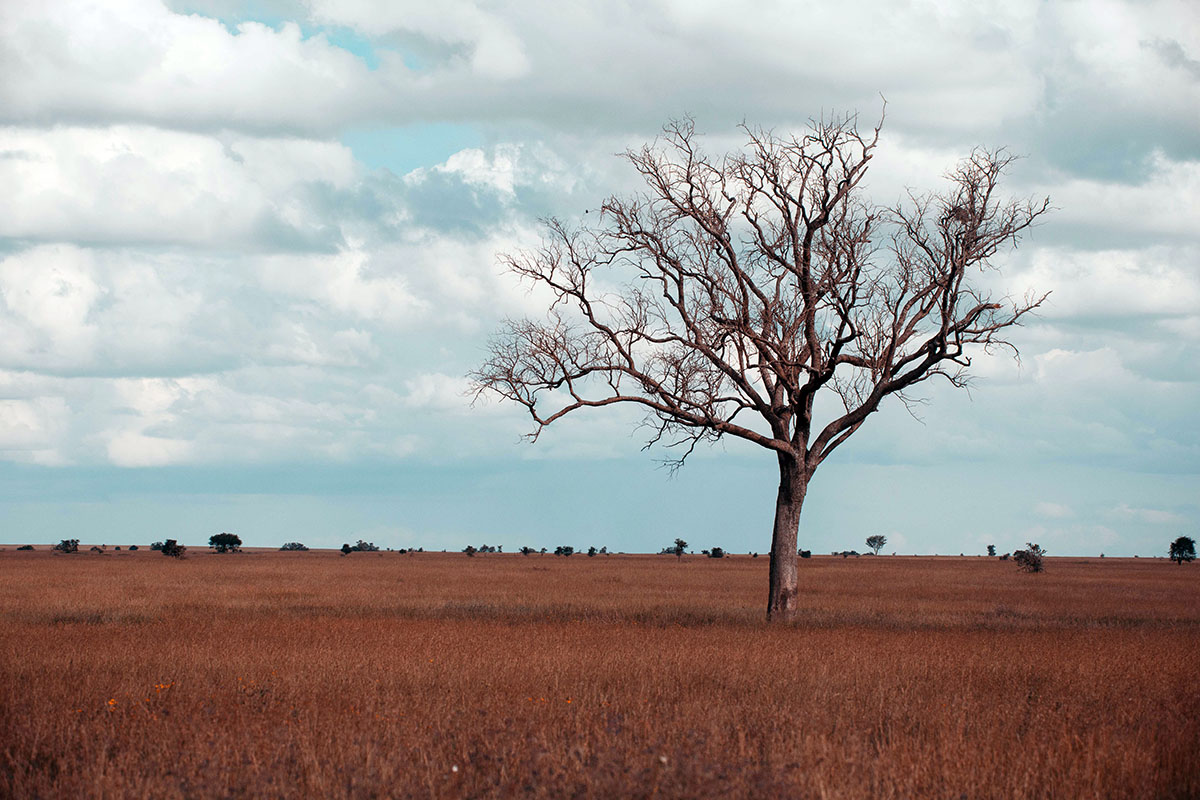
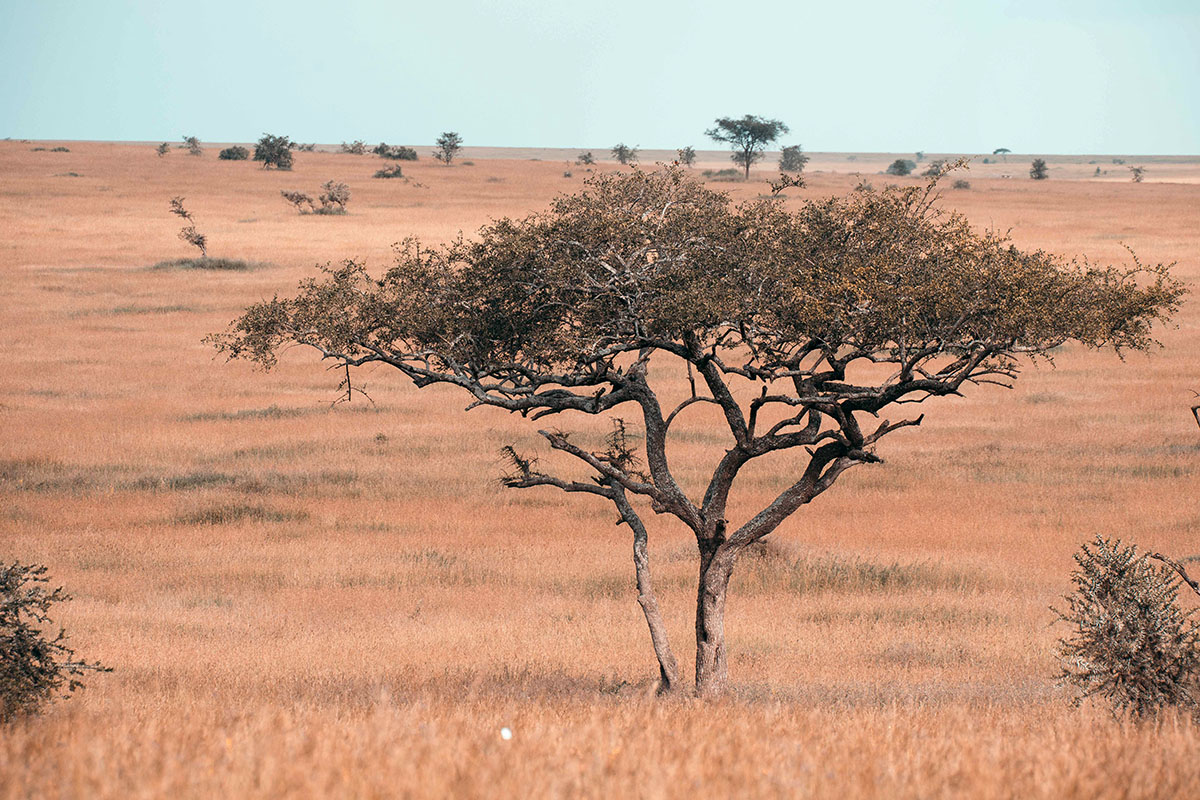
The northern Serengeti, around the Kogatende area, is the most remote and dramatic part of the park. Rolling hills and wide valleys run down to the Mara River, which the herds of wildebeest and zebra must cross on their journey between the Serengeti and Kenya's Maasai Mara.
The crossings are among the most intense wildlife spectacles on earth: thousands of animals gather on the banks, wait, sometimes for hours, and then plunge into the water in front of waiting crocodiles. You can see them from the Tanzanian side, so there is no need to cross into Kenya.
Herds typically arrive in the north from about July and remain until October or early November, with the busiest crossing activity usually from late July to September. Outside the crossings, the north is also excellent for resident predators and elephants, and it has far fewer vehicles than the central Serengeti.
Key Northern Serengeti Experiences
Mara River Crossings
The classic migration moment. Patience is part of the experience, since herds may wait on the bank before crossing.
Big Cats & Predators
Lions, leopards, cheetahs and hyenas follow the herds and hunt along the river.
Remote Camps
Small camps, including seasonal ones, put you close to the crossing points and away from crowds.
Fly-In Access
Light-aircraft flights to the Kogatende airstrip save a long drive from the central Serengeti.
Planning Notes
Best months
Roughly July to October for river crossings, with August and September usually the busiest. Crossings are never guaranteed and timing changes from year to year.
Getting there
Most guests fly in, or combine a drive through the central Serengeti with a flight out. The north is remote and distances are long.
Where to stay
Camps near the river, including mobile camps that move to follow the herds. These are limited, so reserve early.
How long to stay
Three nights is a sensible minimum, giving you several days to wait for crossings.
Migration Country

Northern Serengeti FAQs
Crossings generally happen between July and October, with the highest activity usually in August and September. The herds move with the rains, so dates can shift.
No. The herds spend most of the year in Tanzania, and the crossings can be seen from the Tanzanian side at Kogatende.
No. Herds can wait on the bank for hours or days. Staying several nights greatly improves your chances.
The northern Serengeti has few camps, and peak months sell out. Book six to twelve months in advance.
Yes, for older children who can enjoy long drives. The remoteness and waiting suit patient travellers.
See the Crossings
Share your dates and we will recommend the best base and route, and show you how the north fits with the rest of the Serengeti. Explore our 8-day Great Migration safari and our Serengeti National Park page.
Plan My Migration Safari