Ndutu Region
Birth, predators and endless green plains in the heart of the calving season.
The Calving Grounds of the Great Migration
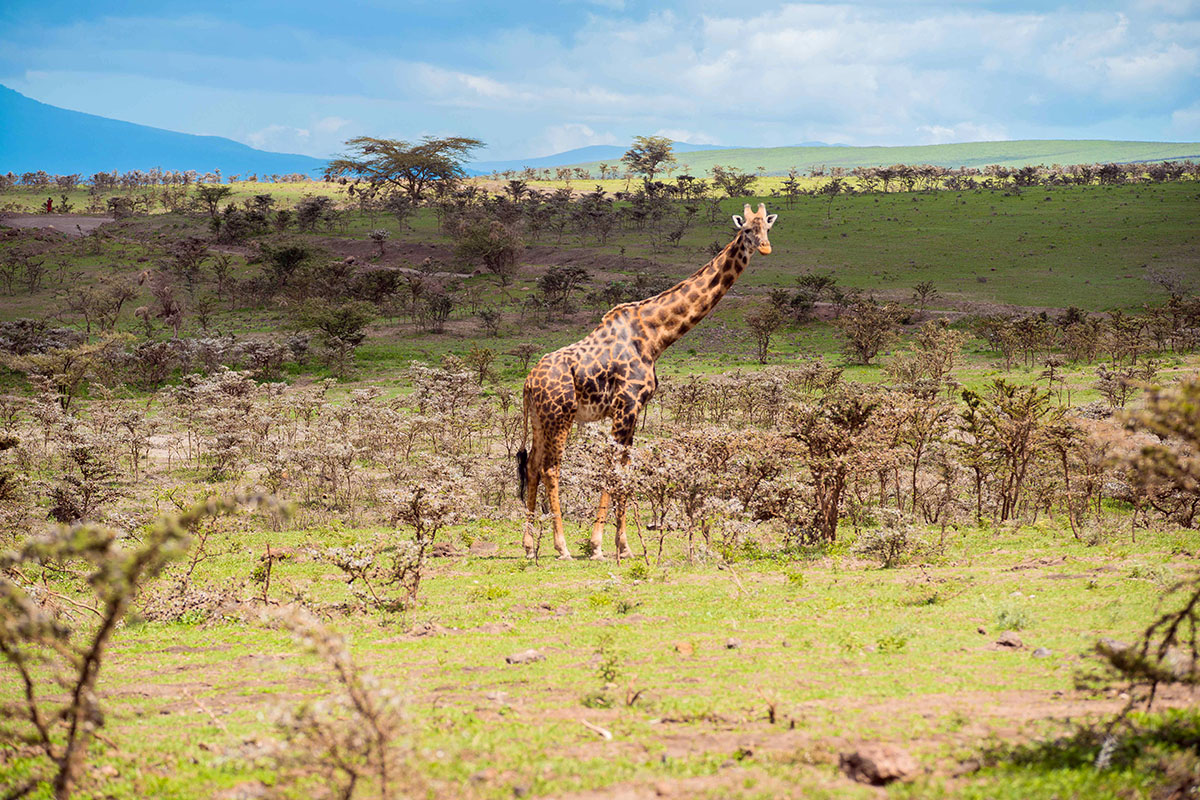
Ndutu is a region of open grasslands, acacia woodland and shallow soda lakes, straddling the border between the southern Serengeti and the Ngorongoro Conservation Area. After the short rains, the new grass draws the herds south, and between about January and March hundreds of thousands of wildebeest calves are born on these plains.
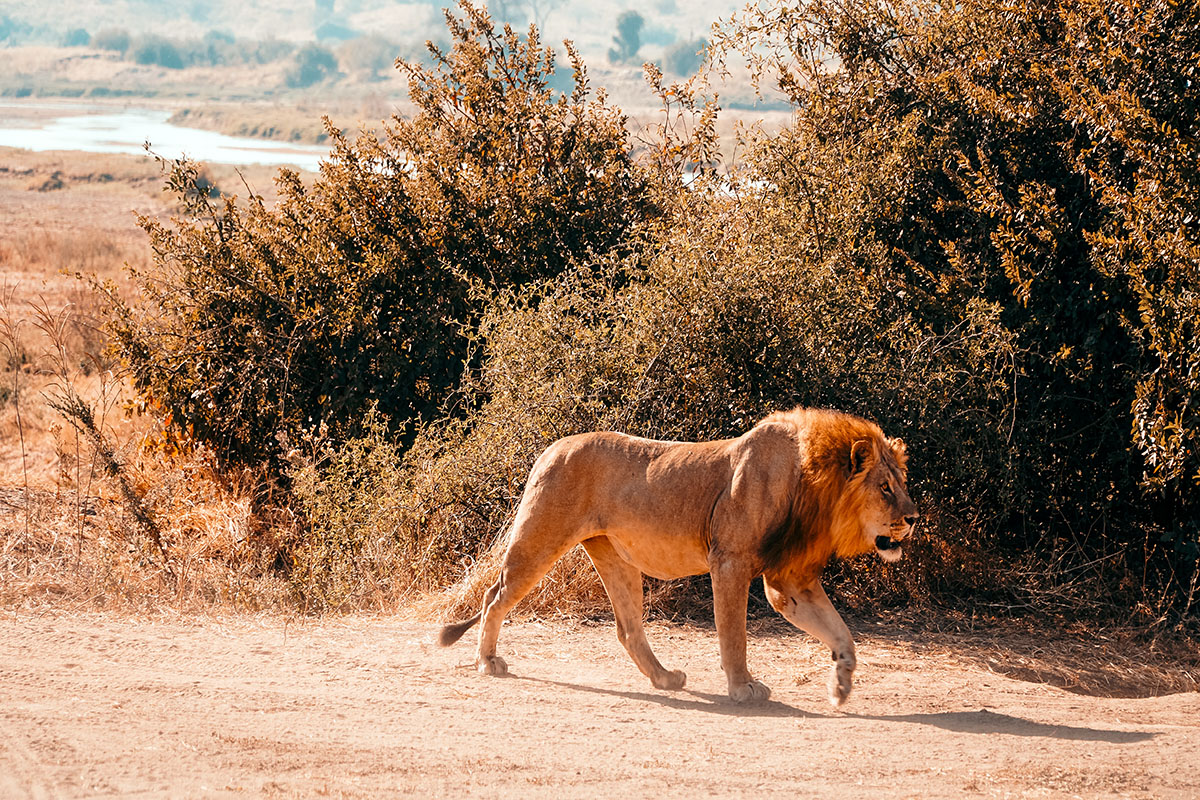
February is the peak, with thousands of calves born each day. That abundance of newborns attracts lions, cheetahs, leopards and hyenas, so predator sightings can be some of the best of the year. It is also the time of year for green landscapes, spectacular skies and far fewer visitors than the dry-season peak.
Ndutu lies mostly inside the Ngorongoro Conservation Area, and is easily combined with a visit to the Ngorongoro Crater and the southern Serengeti. From April, the herds begin to move north and west.
Key Ndutu Experiences
Calving Season
Thousands of wildebeest calves are born every day at the peak, usually in February.
Predator Action
Lions, cheetahs, hyenas and jackals all hunt among the herds of new calves.
Lakes & Birdlife
Lake Ndutu and Lake Masek draw flamingos and other birds when water levels are right.
Green-Season Light
Dramatic skies and fresh green plains make this a favourite season for photographers.
Planning Notes
Best months
Roughly late December to March, with February the usual calving peak. Dates vary with the rains.
Getting there
Ndutu can be reached by road from Arusha (a long drive) or by air to a nearby airstrip.
Park fees
Ndutu falls mostly within the Ngorongoro Conservation Area, so the fees for that area apply, with Serengeti fees on the southern Serengeti side.
Where the herds are
In calving season the herds are usually on the Ngorongoro side of the border. Your guide will follow the grazing.
Southern Plains


Ndutu Region FAQs
Most calves are born from January to March, with February the peak. The herds usually arrive in the south around December.
It lies mostly in the Ngorongoro Conservation Area, right next to the southern Serengeti. The herds ignore the boundary, and so does your guide.
Yes. The abundance of newborn animals attracts large numbers of predators, making it one of the best times of year for cat sightings.
It is green season, so showers can occur, usually short. Pack light rain gear and layers for cool mornings.
Yes, and most itineraries do. The Crater is on the same route. See our 5-day Tanzania explorer.
Witness the Calving Season
Share your dates and we will place you where the herds are and book the right camps for the season.
Plan My Calving Safari